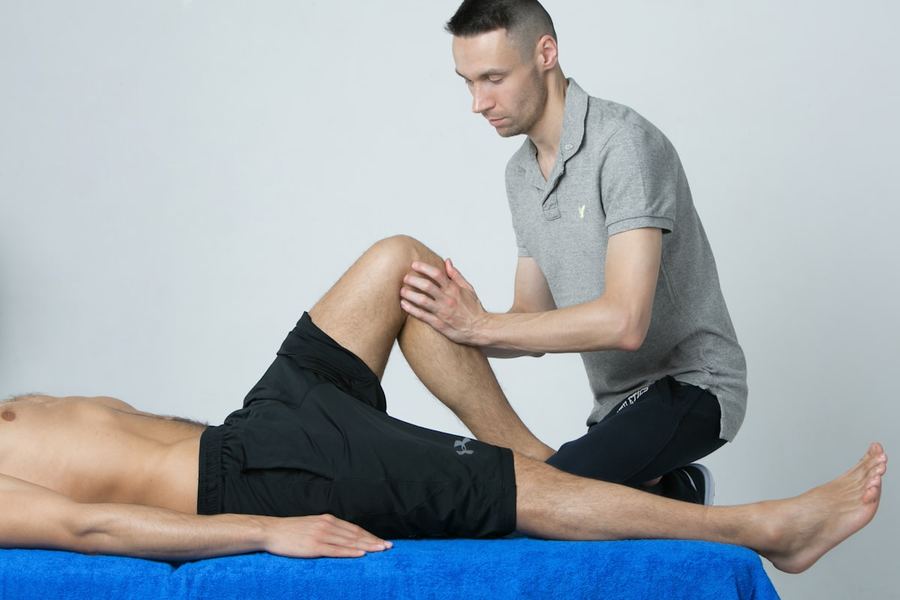
Regenerative injections for joint, tendon, ligament and spine pain — knees, shoulders, hips and back — offering a non-surgical route for sports injuries and chronic wear.
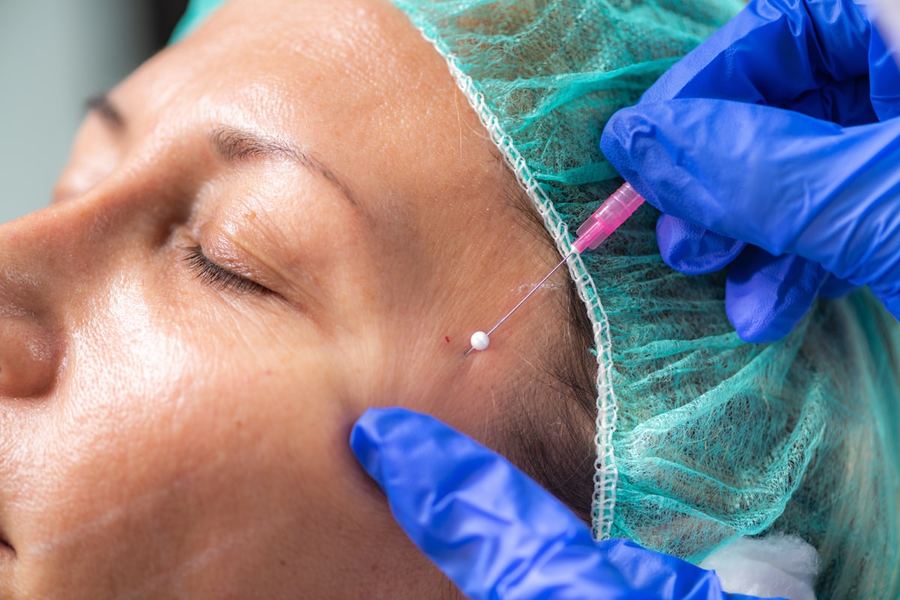
Platelet-rich plasma and related regenerative treatments for facial rejuvenation, acne scarring, melasma and skin texture — collagen stimulation without synthetic fillers.

PRP and regenerative therapy for thinning hair and pattern baldness — stimulating dormant follicles as a non-surgical alternative to transplant surgery.

Regenerative wound care for chronic ulcers that have not healed with standard treatment — diabetic foot ulcers, venous leg ulcers and pressure wounds.

Regenerative treatments in gynecology and urology — including sexual wellness and pelvic health concerns patients often struggle to find a qualified provider for.

Platelet concentrates used in dental and jaw procedures — supporting healing after extraction, bone grafting, implant placement and TMJ treatment.
Clinics offering stem cell therapy, marketed for chronic joint pain and degenerative conditions. The FDA has not approved these products for these uses and has warned that many are unproven — see the evidence before you book.
See the evidence: PRP vs. Stem Cell Therapy: What's Actually Different →
Clinics offering exosome therapy, often paired with PRP for hair, skin, or joint treatments. No exosome product currently has FDA approval, and the FDA has warned about unapproved products that may pose safety risks — see the evidence before you book.
See the evidence: Exosome Therapy: What It Is, and Why the FDA Has Warned About It →Find clinics near you
Uses your device location once, rounded to about 1 km. We don't store it.
Find a verified provider in your state
274 providers across 19 states, 148 CMS NPI-verified. Pick a state to see its cities, or browse every city we cover.
Where patients are looking
Guides
Plain-English answers, written from published sources and cited. See all guides.



What is PRP & regenerative medicine?
Platelet-rich plasma (PRP) is made from your own blood: a sample is drawn, spun down to concentrate the platelets and their growth factors, and injected where healing is wanted. Other regenerative treatments go further. Some use your own cells, such as bone-marrow or fat-derived preparations; many stem cell and most exosome products instead come from donor tissue or lab-grown cells — so it is worth asking any clinic exactly where its product comes from.
Patients pursue PRP and regenerative therapies for a range of goals: restoring hair density, easing chronic joint and tendon pain, rejuvenating skin, or supporting recovery from sports injuries. Results and suitability vary by individual and condition, which is why choosing a provider with verifiable medical credentials — not just marketing claims — matters.
- Is PRP therapy FDA-approved?
- PRP itself is a technique using a patient's own blood, not a drug — the FDA regulates the devices used to prepare it, but individual PRP treatments aren't separately FDA-approved for specific conditions. Ask your provider what evidence supports its use for your specific concern.
- How is PRP different from stem cell therapy?
- PRP concentrates platelets and growth factors already in your blood, while stem cell therapy introduces regenerative cells intended to repair or replace damaged tissue. Some clinics offer both, sometimes combined.
- How do I know if a provider is legitimate?
- PRP Atlas checks one thing directly: whether a listed provider is matched to a real entry in the CMS National Plan & Provider Enumeration System (NPPES), the federal registry that confirms an identity is genuinely on file — not license status, and not the quality of care provided. A listing says "NPI Verified" only when that match succeeds, and "Not Yet Verified" otherwise; both kinds of listing appear in this directory. Separately, before booking, confirm your treating clinician's own state medical license is active — your state medical board's own lookup tool is the authoritative source for that, not this site.